Driving Change Through Comprehensive Road Safety Interventions
Road safety is a shared responsibility that requires coordinated action at individual, community and institutional levels. Responsive Drivers Uganda implements interconnected interventions designed to prevent road crashes, protect vulnerable road users, improve compliance with traffic laws and strengthen road safety institutions.
1. Road Safety Advocacy and Policy Engagement
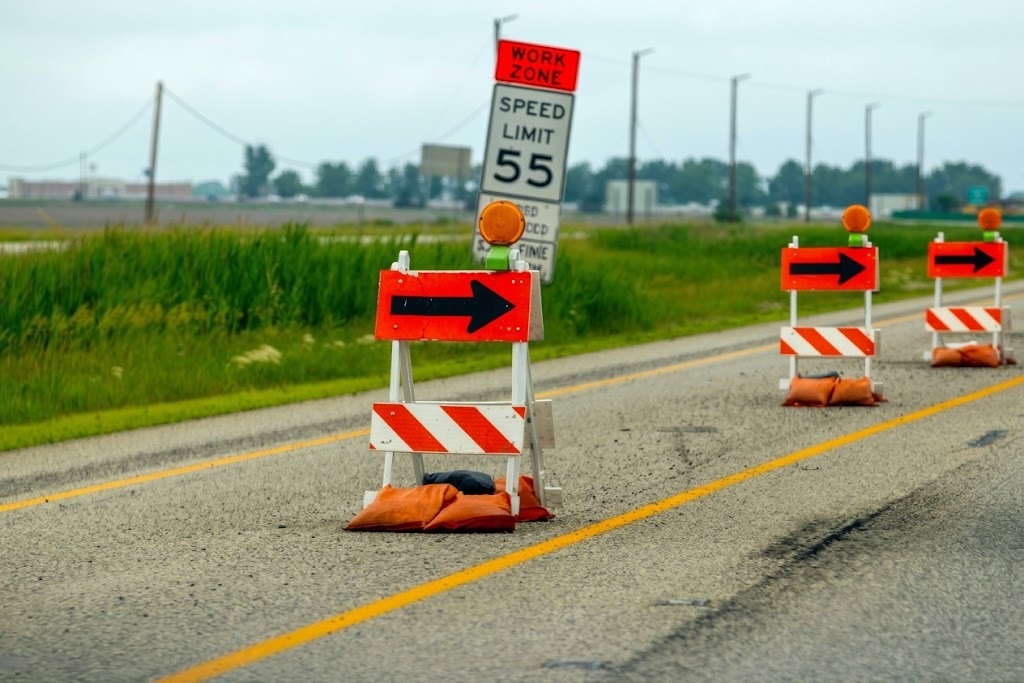
We promote effective road safety legislation, policies and institutional accountability through constructive engagement with government, policymakers, civil society and transport stakeholders.
Our advocacy work focuses on:
- Promoting implementation of national road safety policies and strategies.
- Advocating for stronger enforcement of traffic laws.
- Promoting motorcycle helmet and seatbelt compliance.
- Supporting district-level road safety planning.
- Engaging policymakers on speed management and safer mobility.
- Participating in national, regional and international road safety dialogues.
- Promoting inclusive policies that protect vulnerable road users.
2. Road Safety Education and Public Awareness
Knowledge and responsible behaviour are essential to preventing road traffic crashes. ReDU conducts public education and awareness initiatives targeting drivers, motorcyclists, pedestrians, passengers, school communities and transport operators.
Our activities include::
- Radio and television road safety programmes.
- Community sensitization meetings.
- School road safety education.
- Social media awareness campaigns.
- Public road safety events and commemorations.
- Helmet and seatbelt awareness initiatives.
- Pedestrian safety education.
- Public health and road safety communication.
3. Driver Training and Professional Development
Professional driving standards play a critical role in road safety. ReDU promotes responsible driving through practical training, professional development and capacity building for drivers, riders and transport operators.
Key interventions include:
- Defensive driving training.
- Road safety and traffic regulations.
- Speed management.
- Hazard identification and risk assessment.
- Driver behaviour and responsibility.
- Motorcycle and public transport safety.
- Fleet safety management.
- Professional driver development.
4. Traffic Law Compliance and Enforcement Support
Effective enforcement is essential to reducing dangerous road behaviours and improving compliance with traffic regulations. ReDU works with relevant institutions and stakeholders to promote stronger enforcement practices, public understanding of traffic laws and institutional capacity.
Our focus areas include:
- Promoting compliance with traffic regulations.
- Supporting awareness of traffic enforcement procedures.
- Advocating for helmet and seatbelt enforcement.
- Promoting responsible speed management.
- Engaging transport associations on compliance.
- Supporting community participation in road safety.
- Promoting accountability and coordination among stakeholders. We use accessible, culturally relevant communication approaches to encourage positive behavioral change.
5. Research, Data and Evidence-Based Advocacy
Effective road safety interventions must be informed by reliable evidence. ReDU promotes research, information gathering and analysis to understand road safety challenges, identify intervention gaps and inform policy engagement.
Our work includes:
- Road safety assessments and situational analysis.
- Community-level consultations.
- Research on driver and road user behaviour.
- Policy and regulatory analysis.
- Documentation of road safety challenges.
- Monitoring and evaluation of interventions.
- Development of policy briefs and technical reports. We use evidence to strengthen advocacy and promote informed decision-making.
7. Institutional Capacity Building and Partnerships
Strong institutions are essential for sustainable road safety improvements. We facilitate collaboration and capacity development among government agencies, local governments, civil society, transport associations and other relevant stakeholders.
Our activities include:
- Institutional training and professional development.
- Stakeholder coordination meetings.
- Technical support and knowledge sharing.
- Multi-stakeholder advocacy initiatives.
- Development of collaborative implementation approaches.
- Strengthening organizational and programme management capacity.
6. Community Road Safety and Public Health
Road safety is closely connected to public health, community wellbeing and sustainable development. ReDU works with local communities, government structures and development partners to address public health risks and strengthen community resilience.
Our interventions include:
- Community-based safety education.
- Public health sensitization.
- Community compliance initiatives.
- Behavioural change communication.
- Engagement with local leaders and community structures.
- Promotion of safe public spaces and responsible mobility.